No matter what life brings, each new year invites a deeper understanding of how we care for ourselves—mentally, physically, and emotionally. Updated for 2026 with added clarity and research.
Whatever this year holds for you, tea can help.
Can a cup of tea fix everything? Of course not. But it can offer steady support—a moment to pause, breathe, and gently strengthen your defenses. Over time, those moments accumulate, becoming part of a holistic wellness routine that feels sustainable and genuine.
Here are three ways tea can quietly support your well-being.
1. Tea & Zen
When I think about the calming effects of tea, I’m reminded of ancient traditions—especially Buddhist monks who spent hours each day in meditation. Sitting in stillness for that long isn’t easy, yet tea was part of how they stayed focused and calm. Long before science explained why, people understood that tea helped the mind settle without dulling awareness.
Today, we know that tea naturally contains L-theanine, an amino acid found in tea leaves. When L-theanine is paired with tea’s natural caffeine, it helps support a calm, focused state. Research shows this combination can help reduce anxiety by increasing neurotransmitters like serotonin and dopamine, which play an important role in mood and emotional balance.
This is why tea often feels different from coffee. The energy is softer and steadier, supporting mental clarity without jitters or sharp crashes.
2. Tea, Sleep & Relaxation
Sleep deprivation affects more than energy levels. There is a strong connection between sleep, emotional health, and overall happiness.
Research shows that people with insomnia are more likely to experience anxiety and depression. And if you’ve ever struggled to fall asleep, you know how frustrating it can be. The more you want rest, the harder it becomes to find it. Herbal infusions can be a support for a healthy bedtime routine, especially when practiced regularly.
Unlike medication, herbs work gently with the body over time. Caffeine-free herbal infusions support relaxation without forcing sleep. Just as important is the ritual itself: warming a cup, stepping away from screens, and allowing your nervous system to slow down.
Sipping an herbal tea about 30–45 minutes before bed can help signal that it’s time to rest. Ingredients like
chamomile,
lemon balm, lavender,
peppermint, and
spearmint have been traditionally used to support relaxation, digestion, and restful sleep.
Sometimes, simply holding a warm mug is enough to soften the edges of the day.
3. Tea as a Daily Wellness Ritual
Holistic wellness in 2026 looks different from how it once did. It’s less about doing more and more and more about doing things with intention.
Tea naturally supports this shift.
A daily tea ritual encourages hydration, presence, and connection—not just to your body, but to yourself. It creates space to check in, notice how you feel, and choose what you need in that moment.
Morning tea can offer calm energy and focus. Afternoon tea can help rebalance the nervous system. Evening herbal nervines can support relaxation and sleep.
These rituals don’t need to be perfect. They only need to be practiced.
A Gentle Reminder
Tea isn’t meant to be a cure-all. Its strength comes from repetition, care, and intention. Small moments, practiced daily, help build resilience over time.
In a world that moves fast, tea gives us time to slow down, and sometimes, that’s exactly what wellness looks like.
Sources & Further Reading
Harvard Health Publishing – Tea, L-theanine, and mental calm
National Sleep Foundation – Sleep and mental health
Hidese et al., 2019, Nutrients – Effects of L-Theanine on stress-related symptoms and cognitive function
Unno et al., 2013, Biological Psychology – L-Theanine and alpha brain wave activity
Baglioni et al., 2011, Journal of Affective Disorders – Insomnia as a predictor of depression
National Center for Complementary and Integrative Health – Herbs at a Glance: Chamomile, Lemon Balm
Harvard T.H. Chan School of Public Health – The Nutrition Source: Tea
This content is for educational purposes only and is not intended to diagnose, treat, or cure any medical condition.
Organic Chamomile

Organic Chamomile Lavender Moringa

Heavenly Blooms

Organic Peace Potion

Organic Peppermint

Organic Spa Day

Turmeric Tulsi

3. Tea & Heath
A cup a day keeps the doctor away! A study published in the European Journal of Cardiology shares that drinking tea at least three times a week can lead to a longer, healthier life. Compared with never or non-habitual tea drinkers, habitual tea consumers had a 20% lower risk of incident heart disease and stroke, 22% lower risk of fatal heart disease and stroke, and 15% decreased risk of all-cause death.
Lead study author Dr. Xinyan Wang, from the Chinese Academy of Medical Sciences in Beijing, said:
"Habitual tea consumption is associated with lower risks of cardiovascular disease and all-cause death. The favorable health effects are the most robust for green teaand long-term habitual tea drinkers."
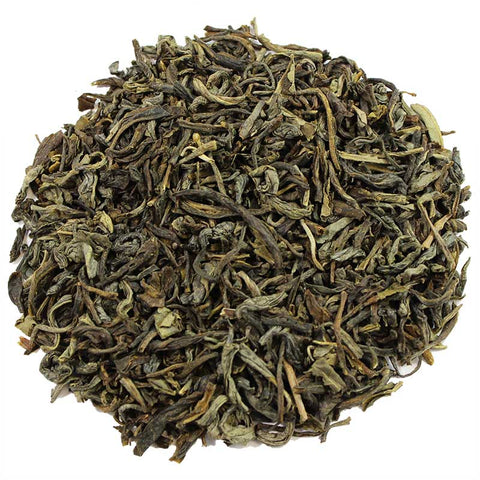
If you're new to green tea, we recommend trying some of these gorgeous top-sellers. You don’t need to be a connoisseur to appreciate all the good that tea drinking predicts. You can start sipping a cup a day now for a healthier and happier tomorrow.
Healthy Resolutions

Organic Jasmine
Organic Lemon Ginger

Me Thyme

Organic Japanese Sencha